Last updated:
A bakery in Greater Kailash built a 240-contact broadcast list before Diwali, wrote a genuinely good offer, and sent it. Eleven people replied. The owner assumed the message was weak.
It wasn’t. Most of that list had never saved the bakery’s number, so most of that list never received the message at all. A WhatsApp broadcast message has one rule that decides everything else, and it isn’t written on the send button.
Key Takeaways
- A broadcast message goes to each person as a normal one-to-one chat. Replies come back privately, and recipients can’t see each other.
- Nobody receives your broadcast unless they have already saved your number in their phone’s contacts. This is the single biggest reason broadcasts underperform.
- Each broadcast list holds up to 256 contacts, and you can make as many lists as you want.
- WhatsApp is rolling out a monthly cap in some countries: 35 free broadcast messages a month on the consumer app, checkable under Settings > Broadcasts.
- To reach people who haven’t saved your number, you need either the Business app’s marketing messages (business broadcasts) or the WhatsApp Business Platform, and both charge per delivered message.
- On the API you don’t control how often a person can be messaged. Meta caps marketing templates per user and returns error 131049 when someone has had enough.
- From 1 October 2026 Meta also charges for service messages and for utility replies inside the 24-hour window, so older cost comparisons are about to be wrong.
What Is a WhatsApp Broadcast Message?

A broadcast message is one message sent to many contacts at once, where each person receives it as an ordinary private chat from you. WhatsApp’s documentation puts it plainly: recipients get it “as an individual message from you in their Chats tab,” and a reply “won’t be sent to other contacts in the broadcast list.”
That privacy is the whole appeal, and it’s what separates a broadcast from a group. In a group of 200 people, everyone sees every phone number and every reply. In a broadcast, nobody knows anyone else got the message, and a customer asking about your prices isn’t doing it in front of 199 others.
A broadcast list is just a saved set of contacts you can message repeatedly without reselecting them. One detail catches people out: broadcast lists aren’t supported on Windows, Mac or Web, so this is a phone-only feature.
Why Didn’t My Broadcast Message Reach Everyone?

Because broadcasts only reach people who have saved your number. WhatsApp states it twice on the same page: “Make sure all contacts in the broadcast list have saved your number in their address book,” and “Only people who’ve added you to their phone’s contacts will receive your broadcast message.”
There’s no warning, no error and no delivery report telling you which contacts failed the test. You send to 240 people, WhatsApp quietly drops everyone who hasn’t saved you, and your dashboard is the number of replies you happen to get.
For a business this is brutal, because the contacts you most want to reach are the newest ones. Someone who messaged you once about a price has your number in their chat history, not necessarily in their contacts. WhatsApp’s own advice when a contact isn’t receiving broadcasts is to ask them to add you, which is not a plan you can run across 4,000 people.
Two things actually help:
- Ask for the save at the moment of contact. “Save this number as Leyscale so you get your order updates” at checkout or in the first reply works better than any later reminder.
- Treat your list as two lists. People who have saved you can be broadcast to; people who haven’t need a paid route, covered below.
What Are the WhatsApp Broadcast Limits?
Each broadcast list holds up to 256 contacts, and WhatsApp says “you can create as many broadcast lists as you like.” So the list size caps at 256, while your total reach does not, as long as everyone has saved your number.
There’s a newer limit worth knowing about before you plan a festival campaign. WhatsApp has started rolling out a monthly broadcast cap: “People in some countries might see a monthly broadcast limit… You can send up to 35 free broadcast messages per month.” You check yours under Settings, then Broadcasts, and WhatsApp says it will notify you as you approach it.
Read that carefully, because it’s 35 broadcast messages a month, not 35 recipients. It’s also a gradual rollout that “might not be available everywhere,” so you may not see it yet. WhatsApp’s stated alternatives for reaching more people are status updates and channels, and it points businesses to the WhatsApp Business app for “more advanced messaging tools.”
What that adds up to: broadcast lists are a retention tool for customers who already know you, not a growth channel. Any plan that depends on broadcasting to thousands of strangers is going to hit either the address-book rule or the monthly cap, and often both.
Broadcast List, Group, Channel or Status: Which Should You Use?

Pick by whether you want replies, and whether recipients should see each other. A broadcast gives you private one-to-one replies from people who’ve saved you; a group makes everyone visible to everyone; channels and status updates reach people without a reply path.
- Broadcast list. Offers, reminders and updates to existing customers. Private, repeatable, phone-only, 256 per list.
- Group. Genuine many-to-many conversation. Fine for a small buying club or a society; a fast way to annoy 200 customers otherwise.
- Channel. One-to-many announcements to followers, no replies, no contact-saving requirement. Good for notices, not for selling to individuals.
- Status. Time-limited updates seen by contacts who have you saved. Useful alongside a broadcast, not instead of one.
If you want a private conversation that leads to an order, broadcast is the right shape. If you just need to announce something publicly, a channel avoids the address-book problem entirely.
How Do You Send a Broadcast Message on WhatsApp Business?

On the WhatsApp Business app you create the list from the Chats tab, then send to it like any other chat. The steps are short: open Chats, tap the menu, choose the broadcast option, add your contacts, confirm, then type and send.
The part worth using is labels. The Business app lets you build a broadcast list from an existing label, so if you have been tagging chats as “New customer” or “Paid” or “Wholesale,” you can broadcast to that segment without rebuilding the list by hand. Labels are the closest thing the free app has to segmentation, and most owners never touch them.
One more Business-app feature closes the address-book gap. WhatsApp says that to reach customers who don’t have your number saved, you can turn a broadcast message into a marketing message, and the audience is “automatically set to the customers who haven’t received a broadcast message.” These are now called business broadcasts in some countries, you “pay for each message that is delivered,” delivery counts within five days of sending, and the feature is available in limited countries only. It’s the honest middle step between a free broadcast list and full API setup.
When Should You Use the WhatsApp Business API Instead?

Move to the WhatsApp Business Platform when you need to message people who haven’t saved your number, at volume, from more than one person’s phone. That’s the line. Below it, broadcast lists and labels genuinely do the job for free.
The trade is control. On the API every marketing message uses a template Meta has approved, and your reach is capped by a messaging limit you don’t set. Meta’s messaging limits run 250, 2,000, 10,000, 100,000 and then unlimited unique customers in a rolling 24 hours, and since 7 October 2025 that limit sits on your whole business portfolio rather than each number. A new portfolio starts at 250. You reach 2,000 by verifying your business, or by delivering 2,000 messages to unique numbers over 30 days using high-quality templates, and higher tiers arrive automatically once you’ve used at least half your current limit in the last seven days.
Then there’s a limit almost nobody plans for. Meta caps how many marketing templates one person receives from any business, based partly on how that individual has been engaging with marketing messages lately. No number is published, the failure comes back as error code 131049, and Meta’s guidance is to wait at least 24 hours before retrying that person. You can buy a bigger messaging limit through growth; you cannot buy your way past a customer who has stopped reading.
Costs changed this year and change again this week. Meta has charged per message rather than per conversation since 1 July 2025, with marketing templates always billable. From 1 October 2026, Meta will also charge for service messages and for utility messages sent in reply inside an open 24-hour window. Any cost comparison built on “replies are free” is two days from being out of date. One India-specific deadline belongs in the same note: Meta’s pricing documentation says eligible customers must migrate their accounts to INR billing by 31 December 2026, and from 1 January 2027 it will stop delivering messages for accounts that haven’t.
What About “Bulk WhatsApp Sender” Tools?
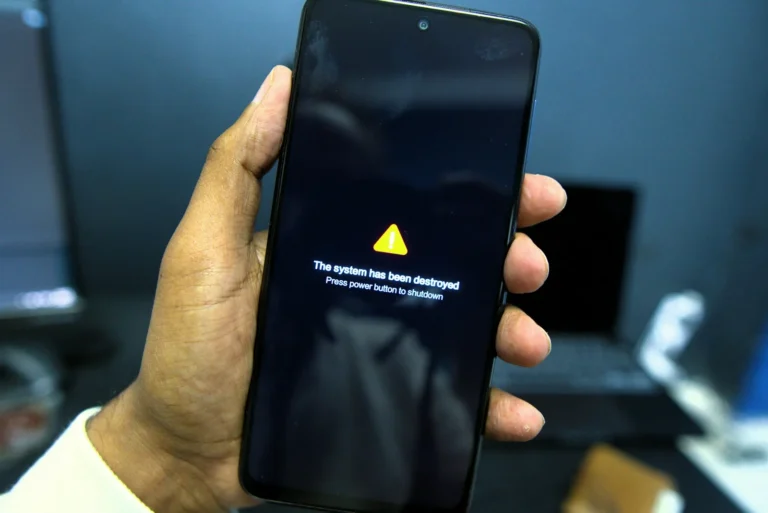
They automate an ordinary WhatsApp account, which breaks WhatsApp’s terms and puts your number at risk. WhatsApp’s documentation on unofficial apps says using them “violates our Terms of Service” and that your account “might also be temporarily or permanently banned, or it could lead to restrictions on your account, including the ability to link devices.”
It names examples, including GB WhatsApp and FM WhatsApp. These are the same tools sold across India as bulk WhatsApp senders, unlimited message senders and Chrome extensions that promise no API approval.
Worth being clear about what a ban costs a local business. The number on your shop board, your bills, your Google listing and your invoices is usually the same number you’d be automating. Losing it for 30 days during a festival season is worse than any saving, and losing it permanently is a different kind of problem. If the budget isn’t there for the official route yet, the free Business app with labels and broadcast lists is the honest answer.
A Worked Example: 4,000 Contacts, Three Routes
Illustrative numbers, not a client result. Take a garment retailer with 4,000 opted-in contacts, of whom roughly 1,400 have actually saved the shop’s number, planning two sends a month.
- Broadcast lists only. 1,400 reachable contacts across six lists of 256. Cost: nothing. Reach: about 35% of the base, and the monthly broadcast cap may apply if it has rolled out for that account.
- Broadcast lists plus business broadcasts. Free broadcasts to the 1,400, paid marketing messages to the remaining 2,600. You pay per delivered message on that second group only, which is the cheapest way to buy the reach you’re missing.
- Full API platform. All 4,000 addressable, two sends a month is 8,000 delivered marketing messages, plus a platform subscription on top. You also need business verification early, because 4,000 unique customers a day sits well above the 250 starting tier.
Two things fall out of that. First, the cheapest available win is not a tool, it’s getting more of those 4,000 to save your number, because every save moves someone from the paid column to the free one. Second, once you are paying per message, list quality decides the bill. Sending the same offer to all 4,000 when 1,200 buy that category wastes most of the spend, and the per-user marketing cap means the unengaged recipients are the likeliest to silently fail anyway.
If you want help writing the messages rather than choosing the plumbing, WhatsApp marketing messages that get replies covers what to actually send, and what to look for in WhatsApp marketing software covers how to compare platforms without getting sold a bulk sender.
FAQ
How many contacts can a WhatsApp broadcast list have?
Up to 256 contacts per list, and you can create as many lists as you like. Everyone in the list still has to have saved your number for the message to arrive.
Why is my WhatsApp broadcast message not delivered to some contacts?
Almost always because those contacts haven’t saved your number in their phone’s address book. WhatsApp drops the message for them silently, with no error on your side, so check a few recipients directly rather than assuming a technical fault.
Is there a limit on how many broadcasts I can send per month?
In some countries, yes. WhatsApp has begun rolling out a monthly cap of 35 free broadcast messages a month, visible under Settings then Broadcasts, and it says it will notify you as you approach the limit. The rollout is gradual, so you may not see it yet.
Can recipients see each other in a WhatsApp broadcast?
No. Each person receives it as a private message, and their reply comes back to you alone rather than to the rest of the list. That’s the main difference between a broadcast and a group.
What’s the difference between a broadcast list and a WhatsApp channel?
A broadcast goes only to contacts who have saved your number and allows private replies. A channel reaches anyone who follows it with no contact-saving requirement, but followers can’t reply, which makes it an announcement tool rather than a sales one.
Can I send bulk WhatsApp messages without saving contacts or being saved?
Only through Meta’s paid routes: marketing messages (business broadcasts) in the Business app, or the WhatsApp Business Platform with approved templates. Free bulk sender tools and modified apps like GB WhatsApp do it by breaking WhatsApp’s terms, and WhatsApp says accounts can be banned temporarily or permanently for using them.
Not Sure Whether You’ve Outgrown Broadcast Lists?
Most businesses we talk to are one step behind where they think they are: still free-broadcasting to a list where two-thirds of people never saved the number. Tell us how many contacts you have and roughly how many have saved you, and we’ll tell you plainly whether labels and broadcast lists still cover it, whether business broadcasts fill the gap, or whether it’s time for proper WhatsApp marketing setup on the official platform.
About the Author