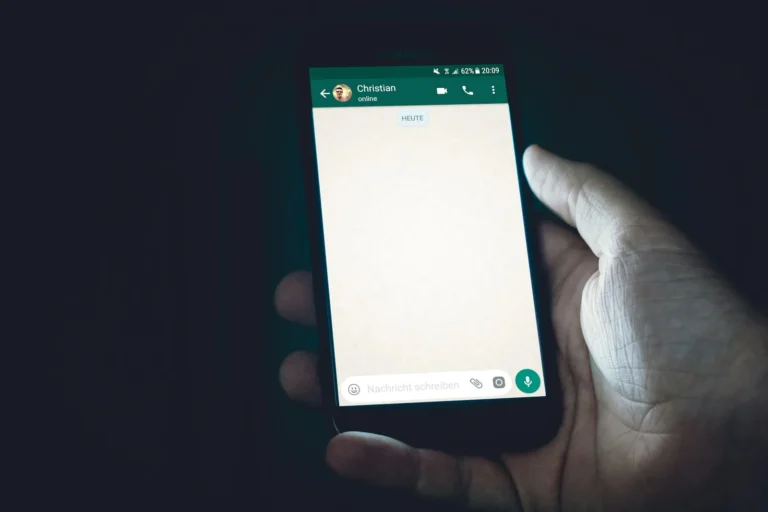
Picture two messages from the same Lajpat Nagar clothing store.
The first goes to 3,000 numbers on a Friday night: “🎉 MEGA SALE!!! Up to 50% OFF on ALL items. Visit now!!!” A handful of people reply “who is this?”, several block the number, and nobody asks about a single product.
The second goes to 400 people who bought something in the last six months: “Hi Neha, the linen kurtas you asked about in June are back, including your size (M). Want me to keep one aside for you till Sunday?”
Same shop, same week, same offer underneath. Only one of those gets a conversation started. The difference isn’t budget or software. It’s who the message is for, what it asks, and whether the person expected to hear from you at all.
TL;DR
- A WhatsApp marketing message is any message meant to sell, promote or re-engage. On the WhatsApp Business Platform, Meta bills and filters these separately from order updates and OTPs.
- Messages that get replies are expected (opted in), specific to the person, and end with one easy question instead of “Visit now!!!”
- Meta’s policy requires opt-in before you message anyone, and it caps how many marketing messages each user receives from all businesses combined. Blasting a bought list is the fastest way to get restricted.
- Since July 1, 2025, Meta charges per delivered marketing template. Replies inside a customer’s 24-hour service window are free.
- For most local businesses, one well-targeted promotional message a week per contact is plenty. Many should send less.
What Is a WhatsApp Marketing Message?
A WhatsApp marketing message is any business message whose job is to promote something: a new arrival, an offer, an event invite, a reorder nudge, or a “we miss you” note. If it’s trying to get someone to buy, book or come back, it’s marketing.
That definition matters more than it sounds. On the WhatsApp Business Platform (the API), Meta sorts every template you send into categories: marketing, utility (order confirmations, delivery updates, appointment reminders) and authentication (OTPs). Each category is priced differently, and marketing messages face extra delivery limits the others don’t, per Meta’s pricing documentation.
If you’re on the free WhatsApp Business app instead, you can still send promotional messages through broadcast lists. The catch: broadcasts only reach people who have saved your number, and there’s no automation, segmentation or reporting worth relying on. Once your list runs into the thousands, that’s usually when businesses move to the API.
Why Do Most WhatsApp Marketing Messages Get Ignored?
Most get ignored because they’re written like SMS blasts and sent to people who never asked for them. WhatsApp sits next to family groups and chats with close friends. A generic sale announcement in that space feels like someone walking into your living room with a megaphone.
With more than 500 million users in India, according to Meta’s December 2024 figure (as compiled by Drag), your customers are almost certainly on WhatsApp. That’s the opportunity, and also the problem. Everyone else’s marketing is landing in the same inbox.
The messages that do get replies share four traits:
- The person expected it. They opted in, bought from you, or messaged you first.
- It’s about them, not your catalogue. Their name, their past order, their area, their size.
- It asks one small question. “Want me to keep one aside?” is easier to answer than “Check out our new collection.”
- It arrives when it’s useful. Lunch offers at 11:30 AM, not 9 PM. Site-visit slots on Thursday, before the weekend fills up.
WhatsApp Marketing Message Examples by Industry
Every example below is written for a business whose customers have already opted in. Swap in your own details, but keep the structure: context, specific value, one easy action.
Retail
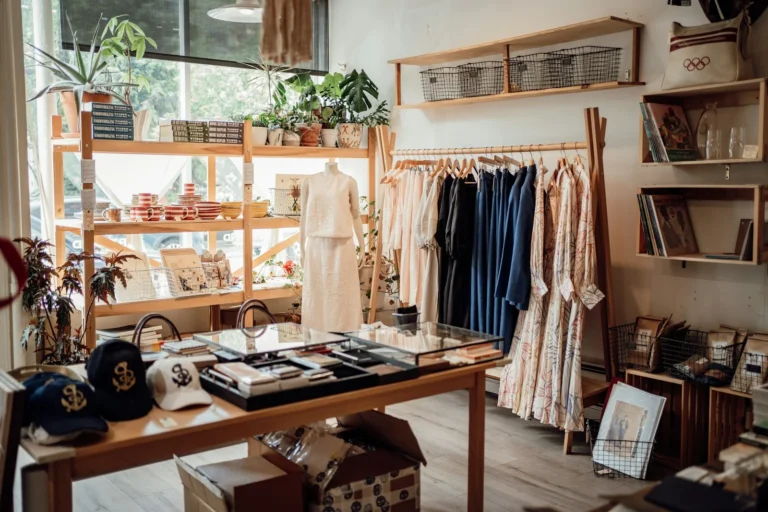
Back in stock (for someone who enquired):
Hi Rohit, the white canvas sneakers you asked about last week are back in size 9. We’ve got 3 pairs left. Should I hold one for you till Saturday evening?
Why it works: it references a real past conversation, creates honest scarcity, and the reply is a single word.
Festive early access (for past buyers only):
Hi Priya, before our Diwali sale opens to everyone on Friday, past customers get first pick from Wednesday. The new silk sarees are in. Want me to send photos of the ones under ₹8,000?
Why it works: it rewards loyalty instead of shouting at everyone, and it offers to do the browsing for them.
Food & Beverage
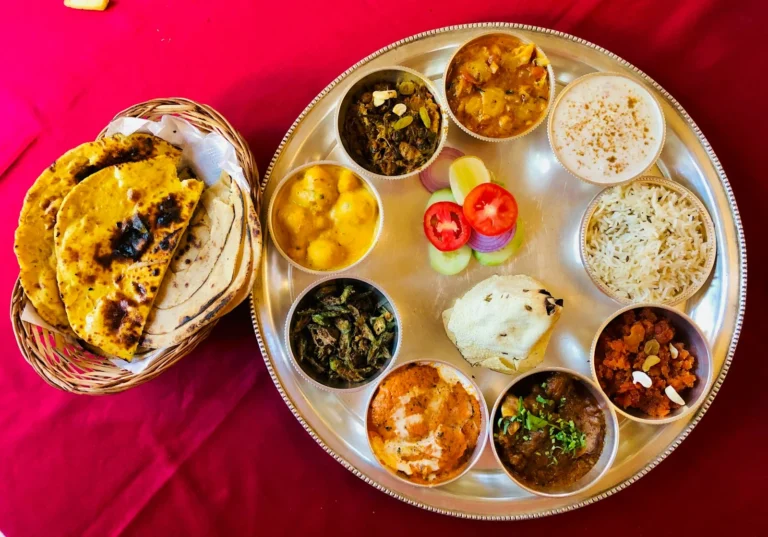
Weekday lunch (for office customers who ordered before):
Hi Ankit, today’s office combo is paneer tikka wrap + cold coffee for ₹249, delivered by 1:15 PM to Nehru Place. Reply “1” and we’ll send it to the same address as last time.
Why it works: it’s timed before lunch, the price is visible, and ordering takes one character.
Reorder nudge:
Hi Sana, it’s been about three weeks since your last order of our multigrain bread. Want the usual 2 loaves on Saturday morning?
Why it works: it’s closer to a helpful reminder than an ad, which is exactly how it should feel.
Healthcare

Preventive check-up reminder:
Hello Mr. Sharma, this is Dr. Kapoor’s clinic in South Delhi. It’s been a year since your last full-body check-up. We have morning slots open next week. Would you like us to book one?
Why it works: it’s respectful, from a named clinic, and doesn’t push a package.
A caution for clinics: keep marketing messages general. Don’t reference a patient’s diagnosis, medication or test results in a promotional message, and don’t send health offers to people who only shared their number to book one appointment. Appointment confirmations are utility messages, not marketing, and they’re usually the better use of the channel for healthcare anyway. If you’re unsure what’s allowed for your practice, check with your compliance advisor before sending.
Real Estate
Site-visit follow-up (for someone who enquired about a listing):
Hi Vikram, you’d asked about 2BHK options near Sector 62, Noida. We have two site-visit slots left this Sunday, at 11 AM and 4 PM. Would either work for you?
Why it works: it picks up an existing enquiry, gives two concrete choices, and skips the brochure.
Win-back (any industry)
Hi Meera, we haven’t seen you at the salon since March. If you’d like to come back, your next hair spa is 20% off till the 30th. Just reply with a day that suits you. (Reply STOP if you’d rather not hear from us.)
Why it works: it’s honest about the gap, has a real deadline, and makes opting out easy. That last part protects your number as much as it respects the customer.
Before and After: Fixing a Message That Gets Ignored
Here’s a rewrite of the kind of broadcast we see local businesses send all the time.
| Before | After | |
|---|---|---|
| Message | “🔥🔥 BIGGEST SALE OF THE YEAR!!! Flat 40% OFF on everything. Hurry, limited period only. Visit our store today!!!” | “Hi Kavya, our end-of-season sale starts Saturday. The block-print dresses you bought last summer have new colours in, 40% off for the first two days. Want me to WhatsApp you photos?” |
| Who it goes to | Every number in the phone | Past customers who opted in |
| What it asks | Nothing specific | One yes/no question |
| Likely outcome | Blocks, “who is this?”, silence | Replies that turn into conversations |
The second message is longer, and that’s fine. People read messages that are about them. Look at the second version too: it doesn’t need the caps, the emojis or the exclamation marks, because the detail does the persuading.
What Gets a WhatsApp Business Number Restricted?
Sending to people who didn’t opt in, ignoring opt-outs, and sending more than people want to receive. Those three account for most restrictions, and Meta’s rules are explicit about all of them.
- No opt-in, no message. The WhatsApp Business Messaging Policy says you may only contact people who have given you permission to message them. A number from a bought database, a visiting card or a Google Maps scrape doesn’t count.
- Opt-outs have to stick. If someone asks you to stop, the policy requires you to respect that. Take them off the list immediately, not after the next campaign.
- Meta limits marketing messages per person. WhatsApp caps how many marketing templates a single user receives, counted across every business messaging them, not just yours. The limit adapts to each user’s engagement. When a message is held back, you’ll see error 131049 (“not delivered to maintain healthy ecosystem engagement”), per Meta’s developer documentation. Retrying immediately won’t help. Wait at least 24 hours.
- Blocks and reports hurt your quality rating. Every block is a signal. Enough of them and Meta can lower your number’s quality rating, which can reduce how many people you’re allowed to message.
- Mislabelled templates get caught. Putting a discount inside a “utility” template to dodge marketing pricing doesn’t work for long. Meta reviews template categories and can reclassify them.
How Much Do WhatsApp Marketing Messages Cost in India?
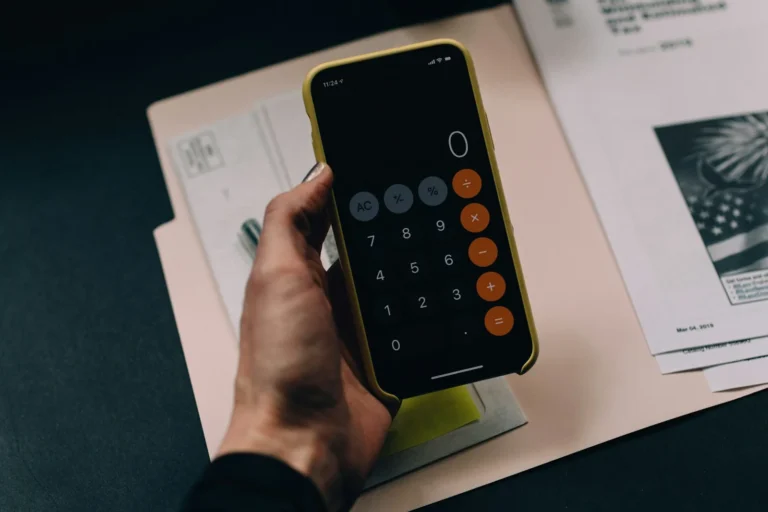
Meta charges per delivered marketing template, and for Indian numbers that’s roughly a rupee per message. Since July 1, 2025, WhatsApp Business Platform pricing has been per message rather than per conversation, and you’re only billed for messages that are actually delivered.
A few details change the maths:
- Replies inside the 24-hour window are free. When a customer messages you, a 24-hour customer service window opens. Normal (non-template) replies during that window cost nothing.
- Click-to-WhatsApp ads open a longer free window. If someone reaches you through a Click-to-WhatsApp ad and you respond within 24 hours, all messages are free for the next 72 hours, according to Meta’s pricing page. That makes paid ads and WhatsApp a sensible pair.
- Your platform adds its own fee. Business solution providers usually charge a subscription or a markup on top of Meta’s rate.
A worked example. Say a restaurant has 1,500 opted-in customers and sends 4 marketing broadcasts a month. At about ₹0.86 per delivered message (Published figures range from roughly ₹0.86 to ₹1.09 per message depending on the rate-card for India), that’s around ₹5,160 a month in Meta charges before platform fees. If two of those four sends go only to people who ordered in the last 60 days (say 600 people), the bill drops to roughly ₹4,612. The replies usually go up, because those are the people most likely to order again.
How Often Should You Send WhatsApp Marketing Messages?
For most local businesses, no more than one promotional message a week to any single contact, and fortnightly is safer if your list is mostly occasional customers. That’s our working rule of thumb, not a Meta limit, but it keeps block rates low and stays well clear of the per-user caps.
Two habits help more than any frequency rule:
- Segment before you send. Your regulars, your one-time buyers and your enquiries-that-never-converted should not get the same message.
- Mix in messages that aren’t asking for anything. A table-availability update, a “your order’s out for delivery”, a new menu photo. If every message is a sale, people learn to mute you.
This is the part most businesses skip, and it’s why WhatsApp works as a closing channel for some brands and a block-magnet for others. Our WhatsApp marketing service is built around it: template writing and Meta submission, list segmentation, and broadcasts sized to what your customers will actually welcome.
FAQ
Can I send WhatsApp marketing messages without opt-in?
No. WhatsApp’s Business Messaging Policy requires permission from each person before you message them. Sending to bought or scraped numbers risks blocks, a lower quality rating and restrictions on your number.
What’s the difference between marketing and utility messages on WhatsApp?
Marketing messages promote something, like an offer, new stock or an event. Utility messages update a customer about something they already started, like an order confirmation or appointment reminder. Meta prices them differently and limits marketing messages more strictly.
Can I send marketing messages from the free WhatsApp Business app?
Yes, using broadcast lists, but they only reach contacts who have saved your number. For larger lists, automation, templates and reporting, you’ll need the WhatsApp Business Platform (API) through a provider.
Why are my WhatsApp marketing messages not being delivered?
The most common reason is Meta’s per-user marketing message limit, which shows up as error 131049. It counts marketing messages from all businesses a person receives, so wait at least 24 hours before retrying and focus sends on engaged contacts.
How much does a WhatsApp marketing message cost in India?
Meta charges roughly a rupee per delivered marketing template message to Indian numbers, billed per message since July 1, 2025. Your platform provider may add its own fee, and replies inside a customer’s 24-hour service window are free.
Want Messages That Get Replies, Not Blocks?
If you’re sending broadcasts that go quiet, or you’re not sure your list is even compliant, start there. Leyscale sets up the official WhatsApp Business API, writes and submits your templates to Meta, and plans broadcasts around your actual customer segments. Tiers and bundle discounts are on our packages page. Or message us and we’ll look at what you’re sending now and tell you plainly what to change.
About the Author