
Last updated:
A bakery owner in Pune boosts a cake photo for ₹300, gets forty likes from people who will never visit Pune, and decides Instagram ads “don’t work.” The ad did exactly what she told it to do. She never told it what she actually wanted, which was orders.
Learning how to run Instagram ads is not hard, but the order you make decisions in matters. Pick the goal first, then the audience, then the budget, then the creative. This guide shows how to run Instagram ads in that order inside Meta Ads Manager, with the mistakes to avoid at each step.
Key Takeaways
- To run Instagram ads, you build them in Meta Ads Manager at three levels: campaign (the objective), ad set (audience, placements, budget, schedule) and ad (the creative).
- Meta now groups objectives into six: Awareness, Traffic, Engagement, Leads, App promotion and Sales. Choose by the action you want, not by what looks cheapest.
- Your daily budget is a weekly average. Meta says it may spend up to 75% over your daily budget on a good day, but never more than 7 times the daily figure in a week.
- A new ad set usually needs about 50 results in a week to leave the learning phase, so avoid editing it during that time.
- Use 4:5 or 1:1 for feed ads and 9:16 for Stories and Reels.
- The simplest way to run Instagram ads is one objective, one audience and two or three creatives. Change one thing at a time.
What Do You Need Before You Learn How to Run Instagram Ads?
You need an Instagram professional (business or creator) account and an ad account in Meta Ads Manager. Most advertisers also connect a Facebook Page, because it keeps ads, messages and billing in one place. You also need a clear destination for the click: a landing page, a WhatsApp chat or a lead form.

Most first-time advertisers skip the last part. If your website takes eight seconds to load or your enquiry form has nine fields, no setting inside Ads Manager will save the campaign. Fix the destination first, because every guide on how to run Instagram ads assumes the click lands somewhere that works.
If you want to measure what happens after the click, install the Meta Pixel on your website. It records what visitors do on your site, which is what lets you judge ads by leads or sales instead of likes. For a wider view of this approach, see our plain-English guide to performance marketing.
How to Run Instagram Ads in Meta Ads Manager: What Are the Three Levels?
Ads Manager has three levels: campaign, ad set and ad. Meta describes the campaign level as where you choose the objective, the ad set level as where you set audience, placements, budget and schedule, and the ad level as where you build the creative.
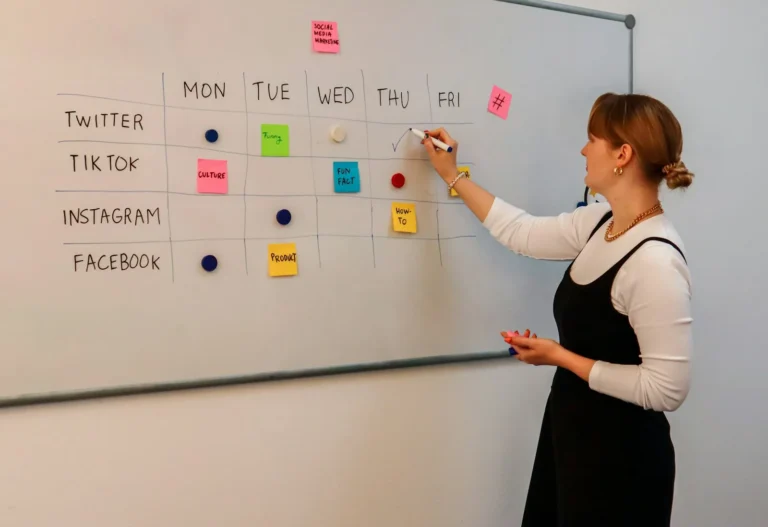
This matters because each setting lives at one level only. If you want to test two audiences, you make two ad sets. If you want to test two images against one audience, you make two ads inside one ad set. Mixing these up is the quickest way to get a report you cannot read, and it is the first thing to understand about how to run Instagram ads without wasting money.
How to Run Instagram Ads, Step 1: Which Campaign Objective Should You Choose?
When you work out how to run Instagram ads, choose the objective that matches the one action you want from a person after they see the ad. Meta’s own guidance is to define your business goal before choosing, because the objective tells the system whom to find.
The six objectives, in plain words:
- Awareness: show the ad to as many people as possible who are likely to remember it. Fine for a brand-new business, weak for getting enquiries.
- Traffic: send people to a website, shop or profile.
- Engagement: find people likely to interact or start a message.
- Leads: collect contact details through forms, calls or messages.
- App promotion: get app installs or in-app actions.
- Sales: find people likely to buy.
Back to the Pune bakery. “Engagement” gave her likes. “Sales” or “Leads” with a WhatsApp chat as the destination would have pointed the system at people who message and order. Also note that Ads Manager asks for a conversion location (website, app or messaging app) and a performance goal. Those two choices matter as much as the objective.
How to Run Instagram Ads, Step 2: Who Should You Target?
To run Instagram ads well, start with a location, an age range and a few interests that fit your customer, and keep the audience wide enough for the system to learn. Narrow audiences look precise but often make results more expensive.

Location is the setting most small businesses should get right first. A tuition centre in Lucknow gains nothing from clicks in Chennai, so set a radius around the area you can actually serve.
Meta also offers Advantage+ detailed targeting, which can show your ad to people beyond the interests you picked when the system expects better results. Your age, gender and location choices still apply. For a first campaign, that default is reasonable.
One data point for context: Meta’s ad tools showed 481 million Instagram users in India in late 2025, according to DataReportal’s 2026 India report. The same report says about 69.7% of the adult ad audience was male, so check your audience mix against who actually buys from you.
How to Run Instagram Ads, Step 3: What Budget Do You Need?
The budget question in how to run Instagram ads has a simple answer: set a daily budget you can sustain for at least a week, and make it high enough to produce around 50 results. A budget too small to produce results teaches the system nothing.

Three rules from Meta’s help pages worth knowing:
- A daily budget is an average over the week. Meta may spend up to 75% over your daily budget on some days, but spending will not exceed 175% of it on any day or 7 times it across the week.
- Minimums depend on your goal. Meta says its minimum budgets vary by country and objective, and Ads Manager shows an alert if yours is too low.
- If you set a cost per result goal, the daily budget should be at least five times that goal. The same page gives a USD 5 goal needing a USD 25 daily budget.
Here is how that works in practice. Say a physiotherapy clinic in Bengaluru wants WhatsApp enquiries at about ₹100 each. Five times ₹100 is ₹500, so ₹500 a day is the floor. Over 14 days that is ₹7,000, which would produce roughly 70 enquiries if the target holds. These figures are illustrative, not a promise. Your real cost will depend on your offer, your creative and your area.
How to Run Instagram Ads, Step 4: What Is the Learning Phase?
Anyone studying how to run Instagram ads meets the learning phase early. It is the period when Meta’s system is still working out how to deliver your ad set. Meta says ad sets usually exit it after about 50 results in the week following the last significant edit.
During this time costs are higher and results swing. Meta advises waiting before editing the ad set, because edits can reset learning. In plain terms: launch, then leave it alone for several days. The most common beginner mistake when learning how to run Instagram ads is changing the budget or audience every morning.
How to Run Instagram Ads, Step 5: How Do You Build an Ad That Gets Noticed?
For how to run Instagram ads that get noticed, use a vertical or square image or video, put the point in the first line, and give one clear action. Placement shapes the format. Meta recommends 4:5 or 1:1 for feed placements and 9:16 for Stories and Reels, and notes that 1:1 is recommended for single-image ads on Instagram Feed.

A workable first set is three ads in one ad set:
- A short video (15 to 20 seconds) showing the product or the result.
- A single image with a clear offer in the text.
- A carousel that walks through three benefits or three products.
Write the caption as you would explain it to a customer at your counter. State what you sell, who it is for and what to do next. Pick a call-to-action button that matches your objective, such as Send message for a WhatsApp enquiry. If chat is your main channel, our guide to WhatsApp ads covers click-to-WhatsApp setup in more detail.
Check the auto-crops before you publish. Ads Manager adjusts your media to fit placements, and Meta advises reviewing the crops so important content is not cut off.
How to Run Instagram Ads, Step 6: How Do You Launch and Read the Results?
To finish how to run Instagram ads, review the preview for each placement, publish, then check results after three to four days rather than three to four hours. Ads go through a review first, so allow some time before delivery starts.
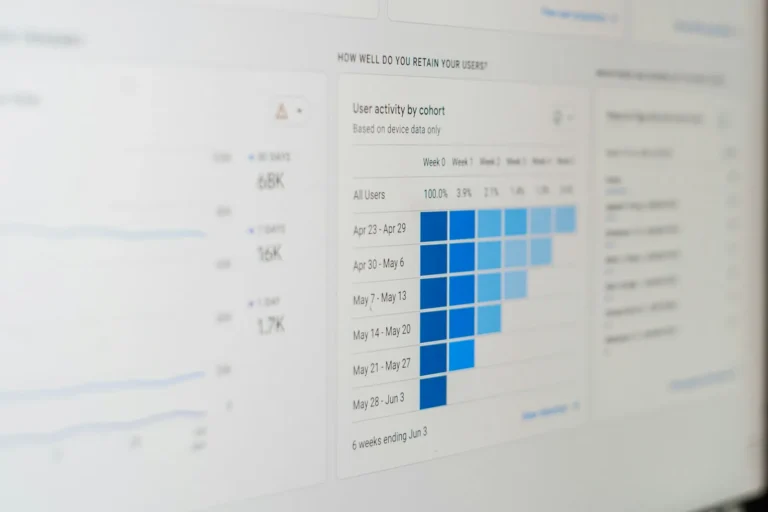
When you read the report, judge the ad by the result you chose in Step 1. For a lead campaign, that means cost per lead and lead quality, not reach or likes. Then decide one change at a time:
- High reach, few clicks: the creative is not persuading. Test a new image or opening line.
- Many clicks, no enquiries: the landing page or offer is the problem.
- Good enquiries, but expensive: widen the audience slightly or improve the creative before raising the budget.
How to Run Instagram Ads: What Does a Realistic First 30 Days Look Like?
In how to run Instagram ads, week one is launch and learning, week two is fixing the obvious problems, and weeks three and four are about scaling what works. Do not judge the channel after one weak week.

A sensible rhythm for how to run Instagram ads in your first month: run one campaign for the first week without edits, review in week two, replace the weakest creative, and only then consider raising the budget. If the numbers still do not make sense after 30 days, the offer or the landing page is usually the cause, not Instagram.
If you would rather hand this over, Leyscale Digital pays ad spend straight to Meta with no markup, and our pricing is on the packages page. Our PPC advertising service covers Meta and Google campaigns.
FAQ
How do I start running ads on Instagram?
Connect your Instagram professional account to a Facebook Page, create an ad account in Meta Ads Manager, then create a campaign, ad set and ad. Choose an objective first, because it shapes the rest of the setup. That is the core of how to run Instagram ads.
How much does it cost to run Instagram ads?
The cost of Instagram ads depends on your goal, audience and competition, and Meta’s minimums vary by country and objective. A practical approach is to choose a daily budget that can deliver around 50 results in a week, then adjust from real data.
Should I boost a post or use Ads Manager?
Boosting is quicker and sets the objective for you in the background. Ads Manager lets you choose the objective, conversion location and performance goal yourself, which gives you more control over what the ad is optimised for.
How long should I let an Instagram ad run before changing it?
Give a new ad set about a week, or until it has roughly 50 results. Meta says edits during the learning phase can reset it, so avoid frequent changes.
What size should Instagram ad images and videos be?
Use 4:5 or 1:1 for feed placements and 9:16 for Stories and Reels. Always check the preview for each placement before you publish.
Ready to Run Your First Campaign?
Tell us what you sell and who you want to reach, and we will give you a straight view on whether Instagram ads suit you now and what budget makes sense. Get in touch and we will take it from there.
About the Author